Science, plainly·7 min
Blood sugar without banning bread.
Glucose care that exiles pita and rice will be abandoned. Glucose care that keeps them, and changes their company, can be lived with.
When a lab printout arrives, bread becomes a villain with remarkable speed. This is understandable. Carbohydrates raise blood glucose. Bread is a carbohydrate. The leap from there to “never again” is where families lose months.
A registered dietitian’s job is not to pretend bread is a vegetable. It is to put bread back into a meal. Glucose rises less when carbohydrate arrives with protein, fat, and fiber — yogurt next to the rice, beans in the stew, salad on the table, oil used with a mind. It rises more when bread is the meal, eaten quickly, on an empty morning, with sweet tea.
Moves that respect the table
- Do not skip breakfast if skipping is how the afternoon gets loud.
- Let bread sit next to something that is not bread.
- Prefer fruit to juice. Prefer cooked beans to a sweet drink “for energy.”
- Walk after a large plate if walking is available. It is not a personality. It is a tool.
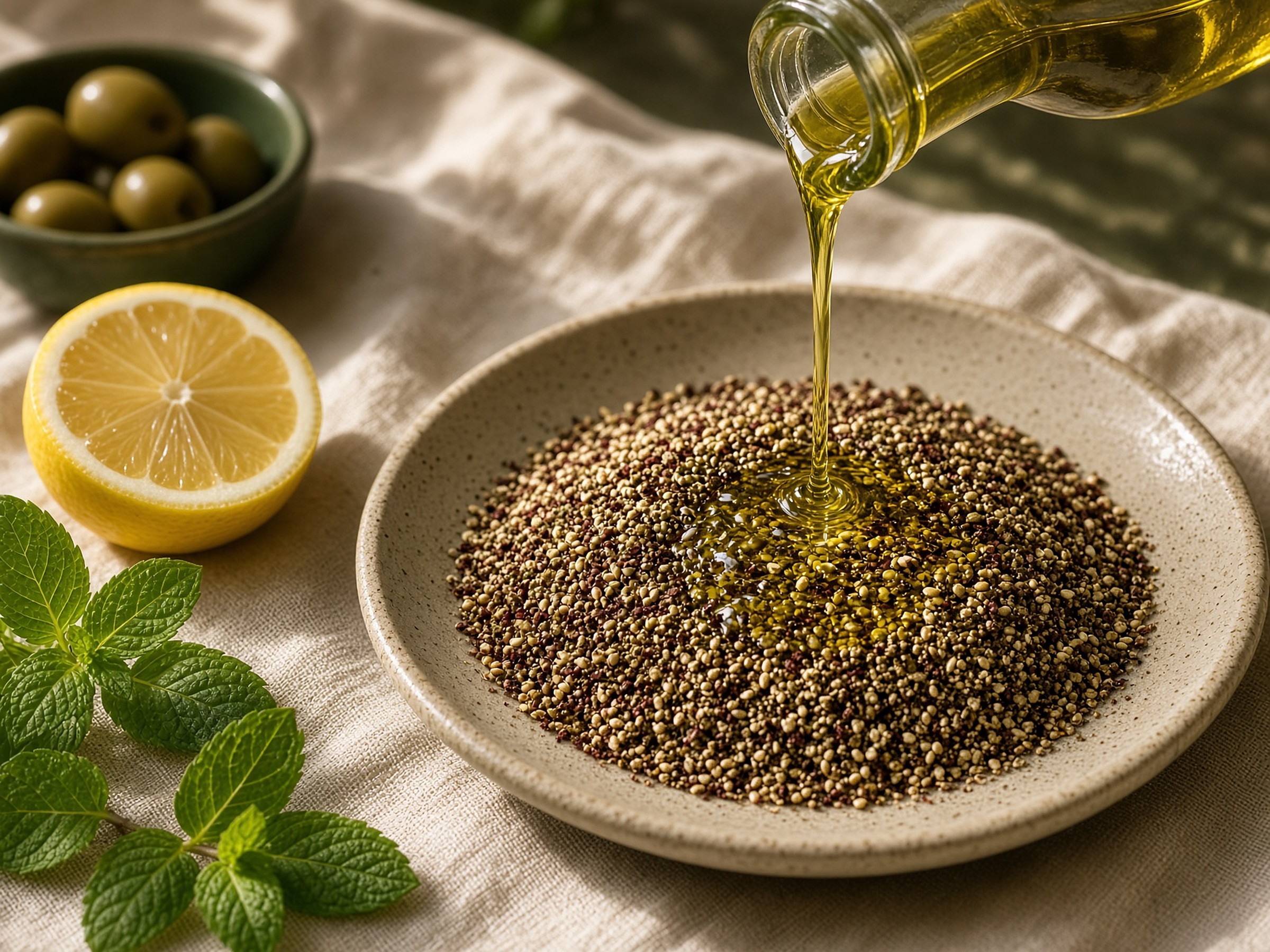
- Keep olive oil. It is not sugar. Fear of oil often pushes people toward snacks that are.
None of this replaces medication your physician prescribed. Food is not a moral alternative to medicine. Food is the environment medicine has to work in. Samar’s clinical training at Detroit Medical Center is part of why she will not sell you a kitchen that fights your clinic.
The question is not “is bread allowed.” The question is what bread is doing in this day.
If you have diabetes, prediabetes, or a clinician watching your A1C, this essay is not your plan. It is permission to walk into a session without already having divorced your own cuisine.
Kitchen notes are public education. They are not a personal nutrition plan and they do not replace a visit with a registered dietitian or your physician.